H.R. 122
Original LAW Act
In Plain Language
This bill raises the federal minimum wage to $10.59 starting in January 2026, then increases it by $4 per year through 2030. Beginning in 2031, the minimum wage will be adjusted every seven years based on a formula tied to the poverty threshold for a family of four, ensuring workers earning 35 hours per week can make 40% more than that poverty level. The wage can never be lowered, only maintained or increased.
Official Congressional Research Service summary
Original Living American Wage Act or the Original LAW ActThis bill increases the federal minimum wage according to a formula specified in the bill.First, the bill increases the minimum hourly wage to $10.59 beginning on January 1, 2026, and increases the minimum hourly wage by $4 annually from January 1, 2027, through January 1, 2030.Next, beginning on January 1, 2031, the Department of Labor shall increase the minimum hourly wage every seven years according to a specified formula. The formula establishes the minimum hourly wage as the wage sufficient for a person working 1,799 hours per year (approximately 35 hours per week) to earn an annual income that is 40% higher than the federal supplemental poverty threshold for a renter family of four, with two children under the age of 18, as published by the Bureau of Labor Statistics for the preceding year. However, if this formula results in a reduction, the minimum hourly wage may not be lowered.
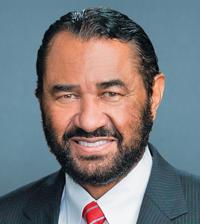
Sponsor
Cosponsors
None listed
Latest action
Referred to the House Committee on Education and Workforce.
Jan 3, 2025
Official source
Action history
Write to this bill’s sponsor
Draft a constituent message about this bill in your own words -- grounded in the actual summary, not a form letter.
Don’t worry — we’ll help you form the message.
Compose a message